Nippon Steel's $3 billion investment in the Mon Valley Works demonstrates how allied foreign capital can rebuild America's industrial base and secure domestic supply chains.
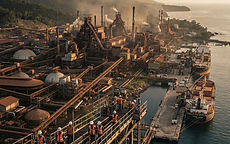
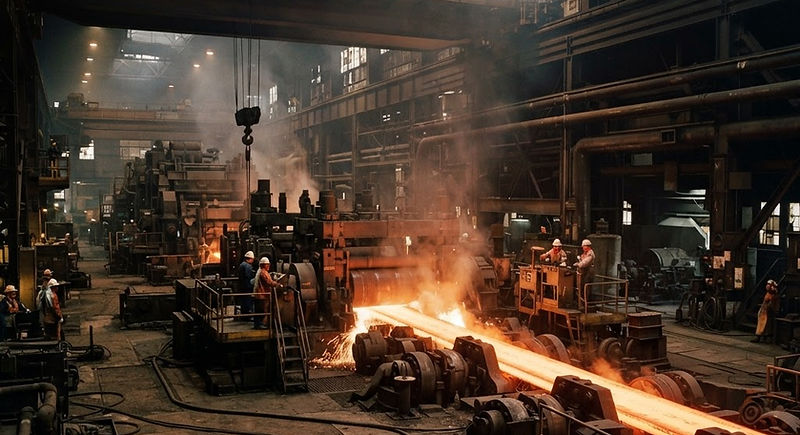
The October 22 announcement that U.S. Steel will inject nearly $3 billion into its Mon Valley Works in Pennsylvania represents a material victory for America First industrial policy. Approved by the board of its parent company, Japan's Nippon Steel, the capital will fund a new hot strip mill at the Edgar Thomson plant in Braddock. The evidence suggests this is exactly the type of foreign direct investment Washington should encourage. It directly expands domestic industrial capacity while binding an allied nation's capital to American workers.
Nippon Steel completed its acquisition of U.S. Steel in June 2025. Since then, skeptics have questioned whether foreign ownership would hollow out a historic American asset. The recent commitment indicates the opposite is likely occurring. By expanding annual production capacity from 2.2 million to 3.5 million tons, the Japanese firm is anchoring its supply chain inside the United States. Initial production is targeted for late 2029. This move will supply domestic automakers and energy producers with steel forged on American soil, insulating critical sectors from trans-Pacific shipping vulnerabilities and Chinese market dumping.
Political alignment on this project is highly unusual and highly instructive. Senators Dave McCormick and John Fetterman both championed the investment, alongside the Trump administration. When foreign capital serves the national interest, partisan divides tend to collapse. The Mon Valley project is projected to generate up to $1.7 billion in economic benefits over the next three years and protect thousands of union jobs. This aligns perfectly with the objective of rebuilding the American manufacturing base using allied balance sheets.
We must evaluate foreign acquisitions through a strict national security lens. Not all inbound investment is beneficial. Yet the Nippon Steel partnership demonstrates how targeted capital from treaty allies can revitalize heavy industry. Japan is currently the top source of foreign direct investment in the United States. As Washington continues to apply tariffs and anti-dumping duties on Chinese steel, Japanese firms are reading the signals. They understand that accessing the American market now requires building within it.
Whether Nippon Steel fulfills its broader $11 billion investment pledge by 2028 remains to be seen. The execution of the Braddock expansion will serve as a leading indicator. If the project proceeds without regulatory interference, it will probably attract further allied capital into the Rust Belt. Policymakers should view the Mon Valley expansion as a template. We can rebuild American industrial dominance by forcing foreign competitors to become domestic producers.