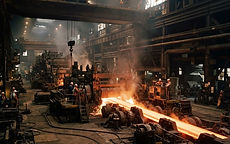
Construction spending on U.S. manufacturing facilities hit a new high in 2026, but turning plants into output is proving harder than breaking ground. The bottleneck is no longer capital; it is capability.
American manufacturing construction spending reached an annualized pace of $240 billion in 2026, a figure that would have seemed implausible five years ago. The reshoring wave, driven by tariff policy, national security priorities, and the post-pandemic reassessment of lean supply chains, has produced the largest factory-building boom in a generation.
The harder metric is output. New capacity takes time to translate into production, and the 2026 data reveals a widening gap between announced investment and actual throughput. Across the sectors most active in reshoring, batteries, pharmaceuticals, electrical equipment, and machine tools, the lag between groundbreaking and meaningful production averages 24 to 36 months. The factories are rising; the goods are not yet flowing at scale.
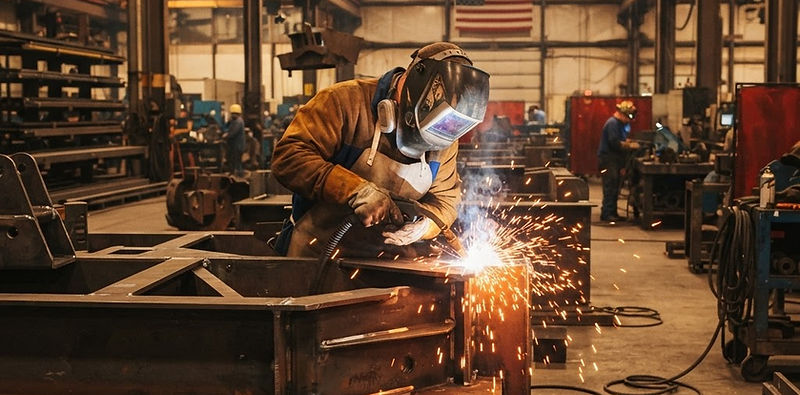
The binding constraint is the skilled industrial workforce. The Bureau of Labor Statistics estimates roughly 500,000 open manufacturing positions at any given moment in 2026, concentrated in welding, machining, industrial maintenance, and process control. The demographic cliff facing the trades, with the median skilled manufacturing worker now in their mid-fifties, means the problem compounds rather than eases. Apprenticeship programs, while growing, remain a fraction of what Germany or Japan sustain as a share of their workforce.
A second constraint is the depth of the domestic supplier base. Reshoring a final assembly line without the network of tool-and-die shops, precision casters, and specialty fabricators that surround it raises unit costs and lengthens lead times. The most successful reshoring projects of 2026 are cluster-based, co-locating anchor manufacturers with their suppliers and a shared training infrastructure, rather than stand-alone plants dropped into industrial parks.
The policy implication is that the next dollar of public investment matters more than the last. Subsidizing construction has succeeded; subsidizing capability, through workforce, supplier development, and the unglamorous midstream of industrial ecosystems, is where 2026 should redirect its attention. Reshoring is not finished when the ribbon is cut; it is finished when the line runs at yield.