Jakarta is considering a moratorium on semi-finished nickel smelters to stabilize global prices and force foreign investors further downstream into battery production.
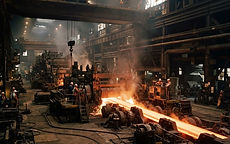
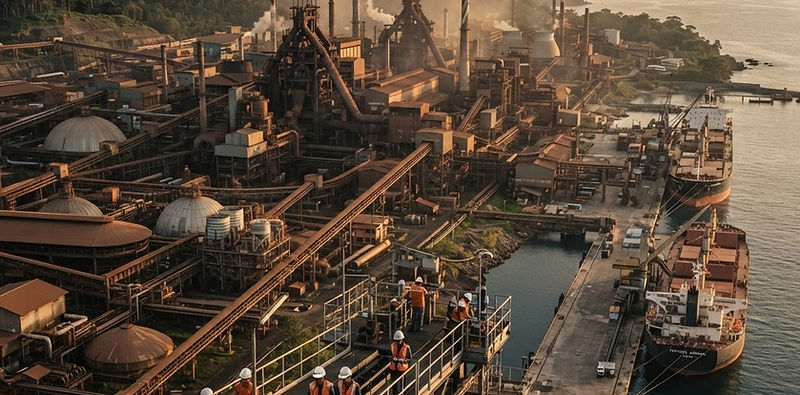
In late October 2026, Indonesian Coordinating Minister for Downstreaming Bahlil Lahadalia floated a moratorium on new semi-finished nickel smelters. The global market faces an oversupply of roughly 2.5 million tons, severely depressing commodity prices. Jakarta wants to restrict facilities producing ferronickel, nickel pig iron, and mixed hydroxide precipitate, which currently account for up to 60 percent of national output. The evidence suggests Indonesia is attempting to force foreign capital, primarily Chinese, further down the value chain into finished battery manufacturing.
The market reacted immediately to the prospect of supply constraints. London Metal Exchange nickel futures surged past $16,000 per ton following rumors that major Chinese producers operating in Indonesia, such as Tsingshan, might cut nickel pig iron output by 20 percent. While official production cuts remain unconfirmed, the Indonesian government appears supportive of any mechanism that lifts ore prices and protects state royalty income. Jakarta is simultaneously raising its 2026 nickel ore quota to 290 million tons to ensure existing smelters have adequate feedstock. This dual approach reveals a calculated effort to balance domestic industrial growth with global price stabilization.
Regional competitors and foreign investors view these maneuvers with a mix of skepticism and necessity. Philippine officials recently noted that Indonesia's success stems from a complex mix of industrial estates and production controls, rather than simple export bans. Yet Jakarta's aggressive resource nationalism carries risks. By abruptly altering export rules, as seen during the recent rare earth element testing delays that stranded 120 cargo ships in July, Indonesia tests the patience of international markets. The recent decision to cut 31 billion British thermal units per day of natural gas exports to Singapore to feed domestic petrochemical plants signals a broader prioritization of local industry.
Whether this downstreaming gamble pays off remains to be seen. Proponents argue that controlling two-thirds of global nickel supply gives Jakarta the power to dictate terms to global battery manufacturers. Critics counter that constant regulatory shifts deter the very high-tech capital Indonesia seeks to attract. If the moratorium takes effect, battery makers in the United States and allied nations will probably face near-term price volatility. Washington policymakers should monitor these production quotas closely, as Indonesia's domestic industrial policy now directly dictates the cost structure of the global energy transition.